Shop

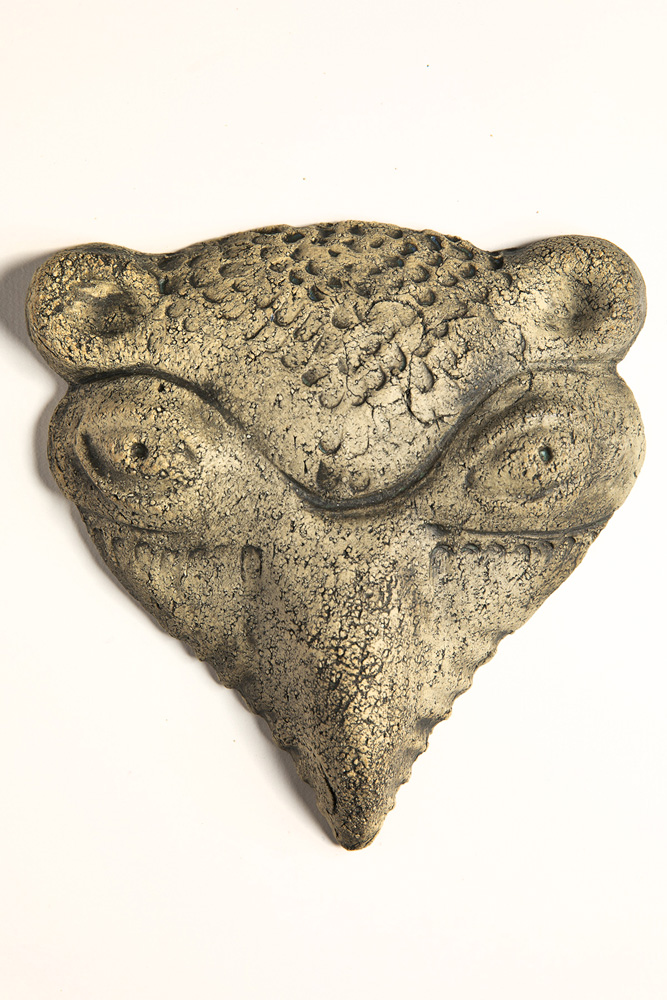
The Eagle

75.00

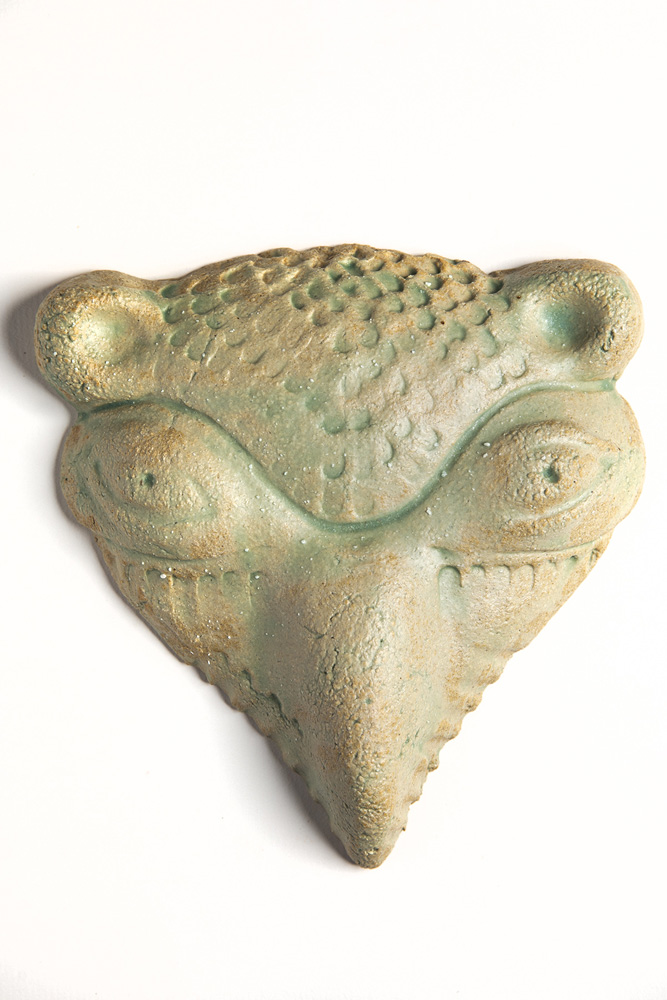
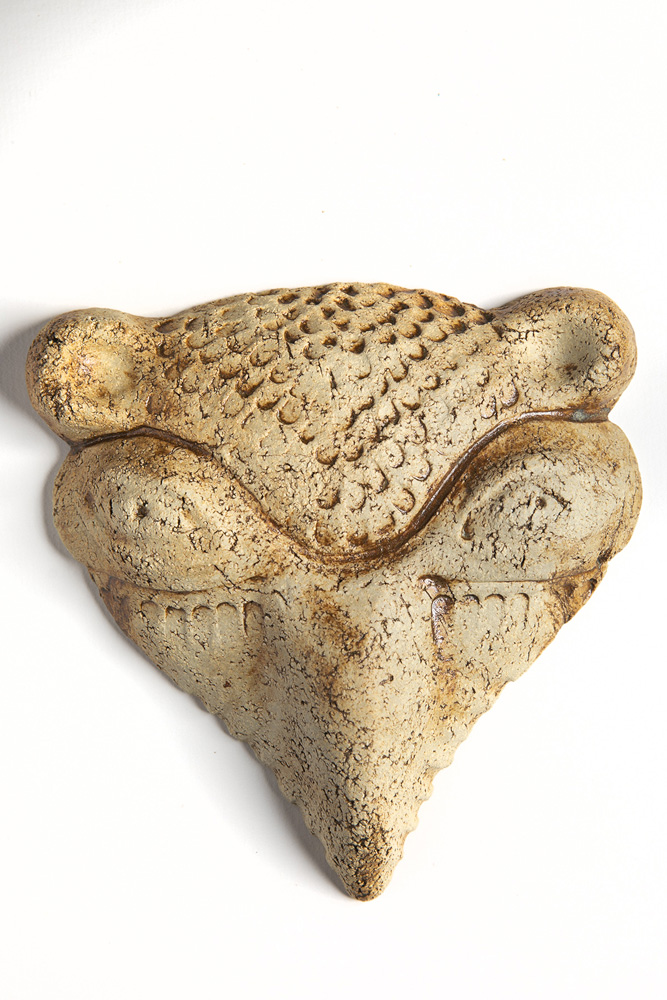
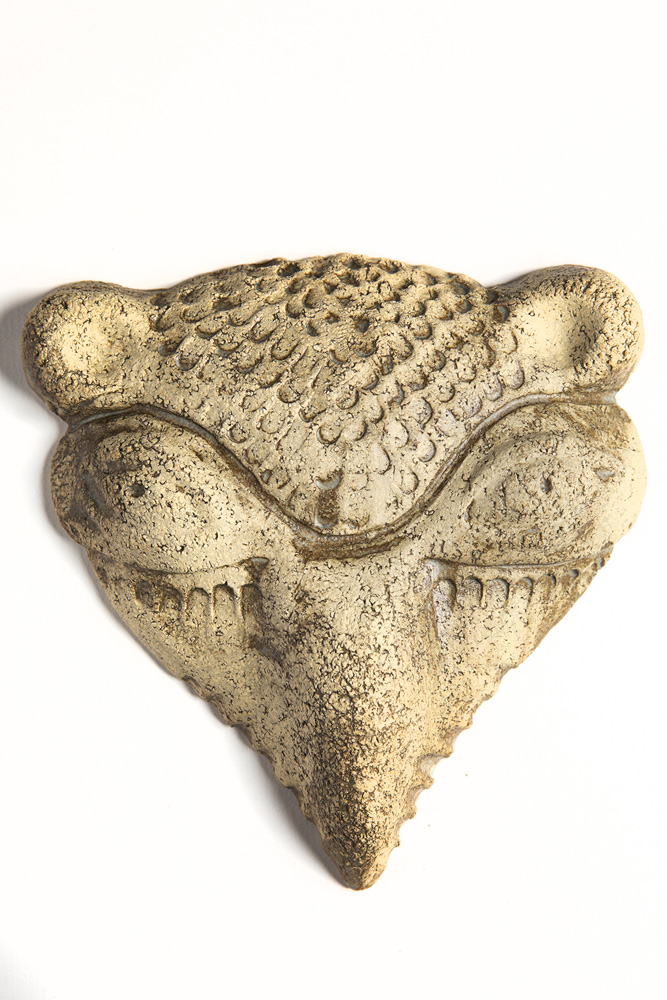
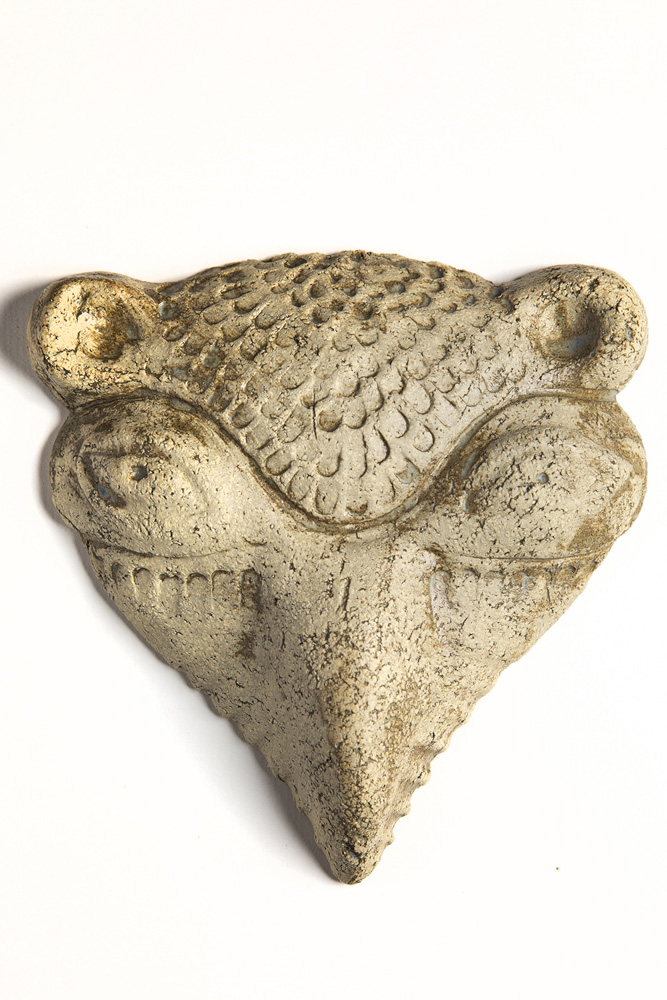
Celtic Mask from Dysert O’Deas:
Inspired by the majestic eagle, this ceramic mask highlights the beauty and symbolism of Celtic culture, expertly designed to showcase Ireland’s artistic traditions.

Size:
Height – 20cm
Width – 19cm

+
SKU: N/A Categories:, Tag:

Description

The Eagle of Jerpoint – a majestic ceramic masterpiece inspired by the noble eagle figures found at Jerpoint Abbey, a historic site located in County Kilkenny, Ireland. This statue captures the regal essence of the eagle, meticulously crafted with intricate details and textures that pay tribute to Ireland’s rich artistic traditions.

Skillfully created by the renowned Irish potter Julia Fink, this piece showcases her exceptional artistry and dedication to preserving Ireland’s cultural heritage.From the intricately detailed feathers to the piercing gaze and striking features of the eagle’s face, The Eagle of Jerpoint embodies the spirit of Ireland’s vibrant artistic legacy and adds an air of elegance to any space.

Whether you are a collector of exquisite ceramics, a lover of Irish culture, or simply someone who appreciates the beauty of handcrafted pottery, The Eagle of Jerpoint is an outstanding addition to your collection. Displayed in a prominent place in your home or garden, this piece serves as a constant reminder of the grace and power of Ireland’s artistic heritage.
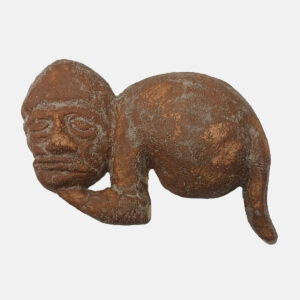
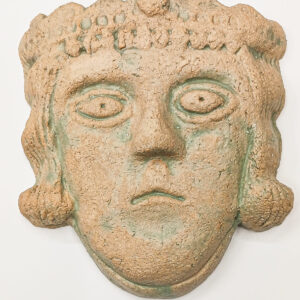
Making one mask is a long process and can take up to 2 weeks. I use stoneware clay which means that the clay is fired at a much higher temperature than earthenware which makes it frost safe.

The first step is to sculpt the head itself which is the used to make a plaster mold. This plaster mold then is used to press the clay into and produce the different types of heads.

The clay is then pressed into the mold and left in the mold for 24 hours until some of the moisture is absorbed and it becomes easier to loosen the clay head from the mold.

The clay heads then need to dry for up to a week. When completely dry they are sanded around the edges and loaded into the kiln for their bisque fire, which takes up to 14 hours. This is a firing that heats the heads to 1000°C. The kiln then takes almost 2 days to cool down so that the door can be opened.

If the door is opened beforehand thermal shock occurs and the clay pieces may crack. After this the heads are no longer brittle and are highly moisture absorbent. This is when the pieces are glazed and returned to the kiln for the second firing called the glaze fire. This also takes between 11 and 14 hours and the kiln take almost 2 days to cool down before the door can be opened and the finished pieces can be admired.

No products in the cart.