Shop

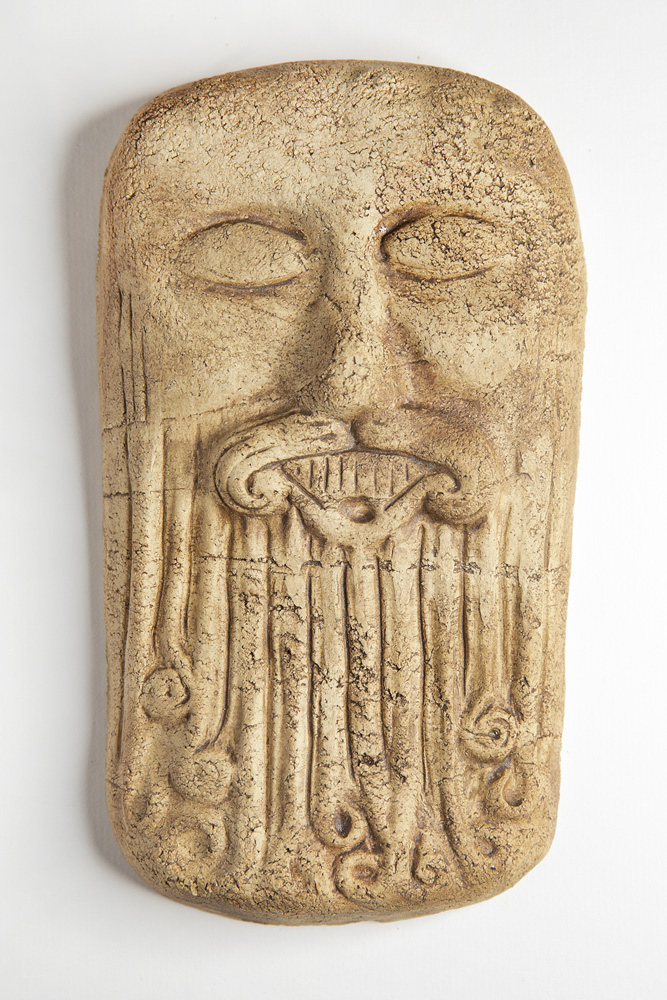
The Man of Clonfert

The Man of Clonfert

90.00

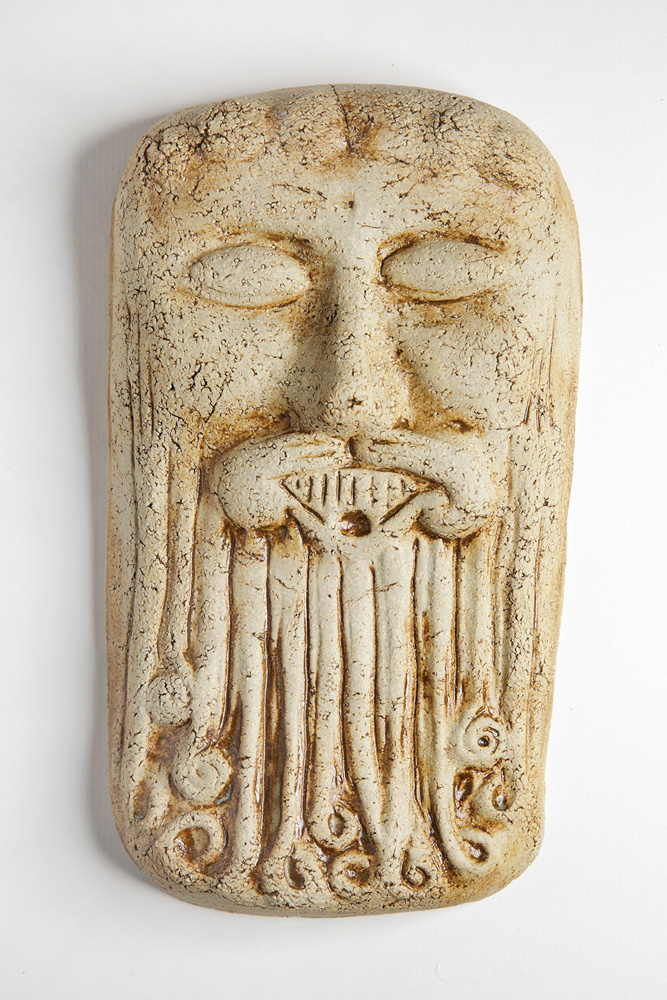
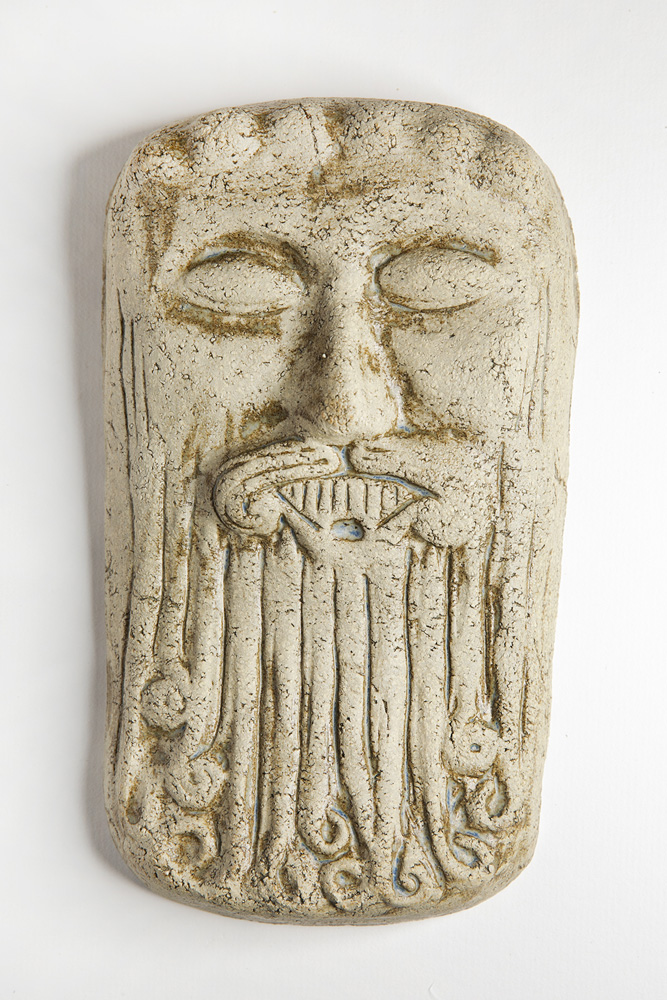
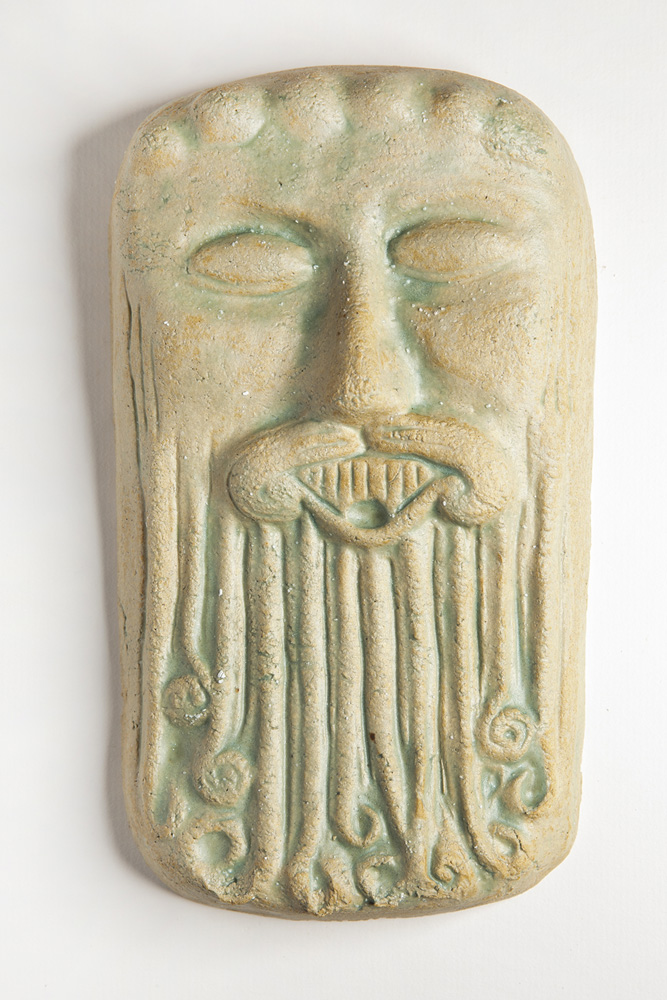
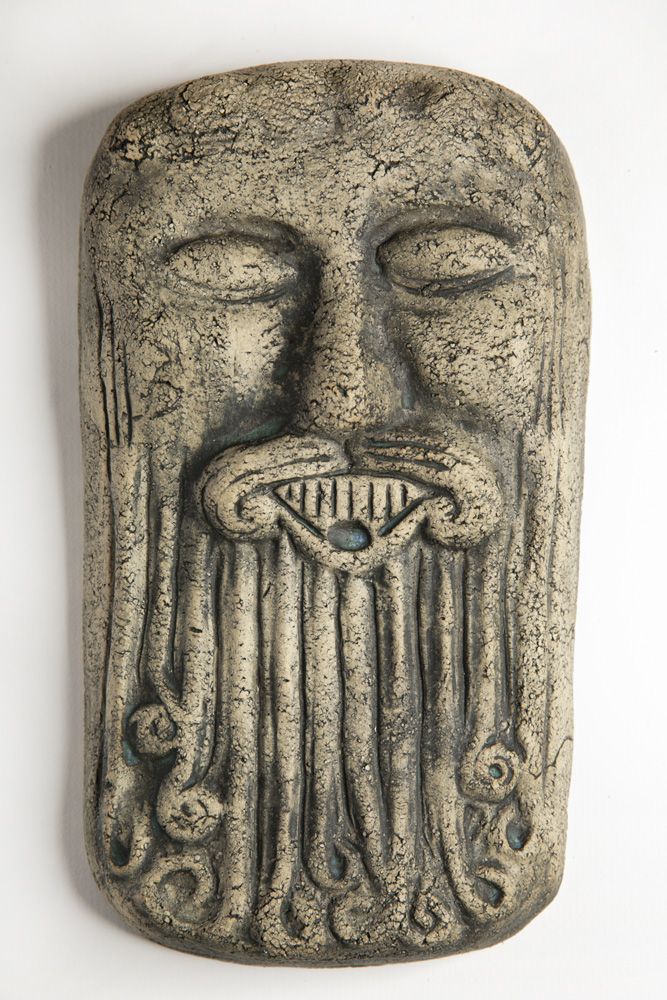
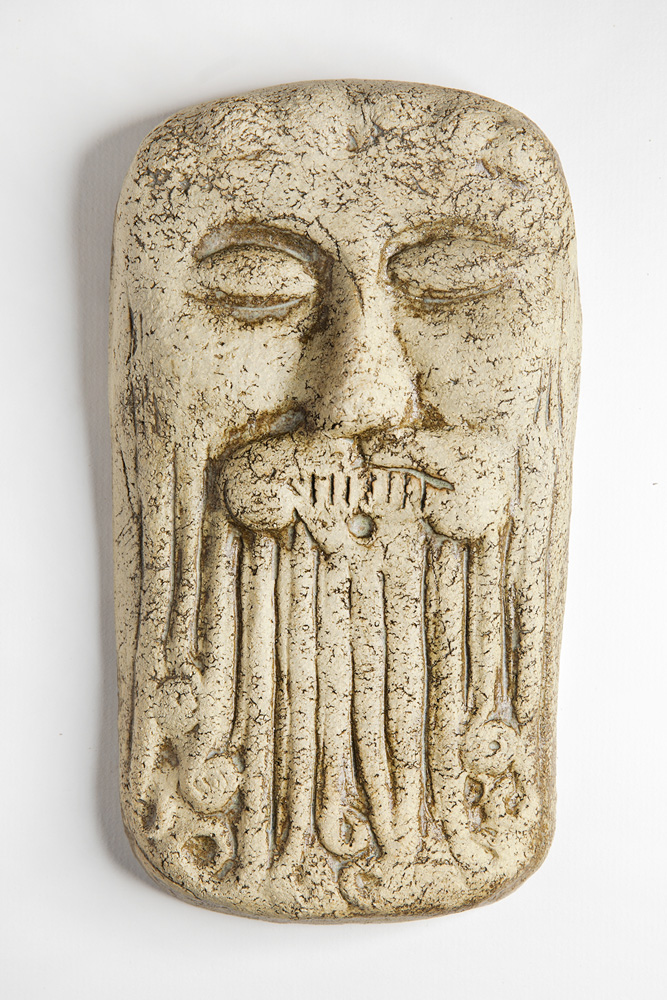
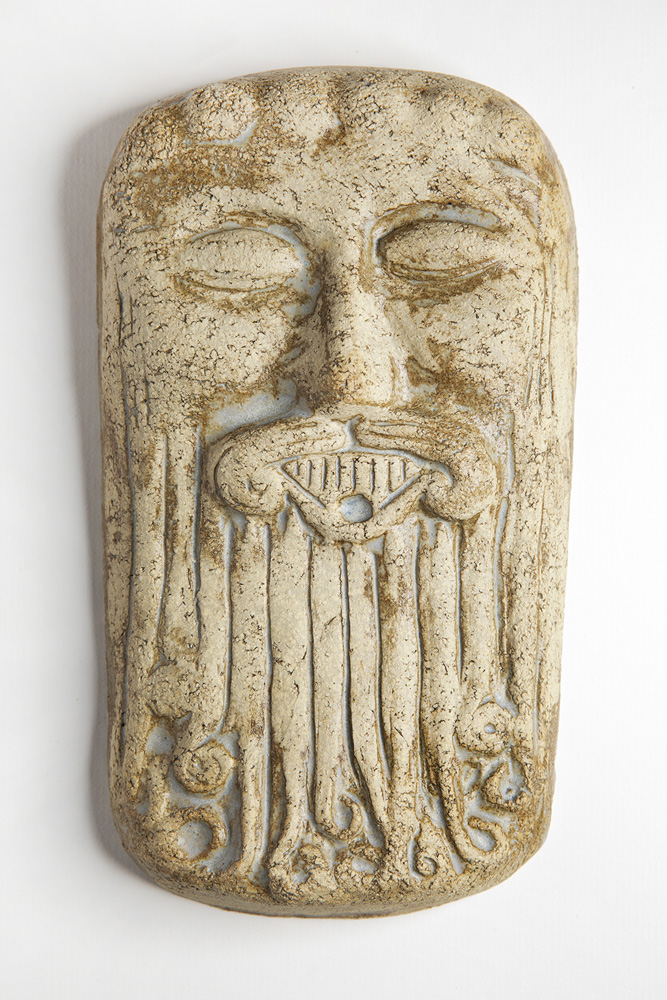
Celtic Mask – Clonfert Cathedral:

Paying tribute to the human spirit and the rich history of Clonfert Cathedral, this Celtic mask embodies the resilience and determination of Ireland’s ancestors, masterfully designed to evoke a sense of wonder and admiration.

Size:
Height – 25cm
Width – 14cm

‒ +

Description

Clonfert Cathedral is a breathtaking example of medieval architecture located in County Galway, Ireland. With its stunning architecture and rich cultural history, this cathedral is a must-visit destination for anyone interested in Ireland’s past.

One of the most striking features of Clonfert Cathedral is the Man of Clonfert sculpture. Originally carved in the 12th century from a single block of limestone, this magnificent piece of art captures the essence of the cathedral and its rich cultural heritage. The faithful recreation of the Man of Clonfert in ceramics is a true testament to the skills and dedication of the craftsman.

The Man of Clonfert stands at the entrance of the cathedral, proudly gazing out at visitors who come to admire the beauty and artistry of Clonfert Cathedral. His presence is a reminder of the faith, determination, and creativity that went into building this magnificent structure, and the ceramics recreation pays tribute to the hard work and skill of the craftsman.

The Man of Clonfert is not just a work of art, but a symbol of the cultural and historical significance of Clonfert Cathedral. It serves as a reminder of the beauty and rich history that the cathedral represents, and is a source of inspiration and wonder for generations to come. Whether you are an art lover, a historian, or simply appreciate the beauty of medieval architecture, Clonfert Cathedral and its Man of Clonfert sculpture are a must-visit destination.
 

Making one mask is a long process and can take up to 2 weeks. I use stoneware clay which means that the clay is fired at a much higher temperature than earthenware which makes it frost safe.

The first step is to sculpt the head itself which is the used to make a plaster mold. This plaster mold then is used to press the clay into and produce the different types of heads.

The clay is then pressed into the mold and left in the mold for 24 hours until some of the moisture is absorbed and it becomes easier to loosen the clay head from the mold.

The clay heads then need to dry for up to a week. When completely dry they are sanded around the edges and loaded into the kiln for their bisque fire, which takes up to 14 hours. This is a firing that heats the heads to 1000°C. The kiln then takes almost 2 days to cool down so that the door can be opened.

If the door is opened beforehand thermal shock occurs and the clay pieces may crack. After this the heads are no longer brittle and are highly moisture absorbent. This is when the pieces are glazed and returned to the kiln for the second firing called the glaze fire. This also takes between 11 and 14 hours and the kiln take almost 2 days to cool down before the door can be opened and the finished pieces can be admired.

No products in the cart.